


Easy Ways to Lower Your Carbon Footprint
September 10, 2025

Easy Ways to Lower Your Carbon Footprint

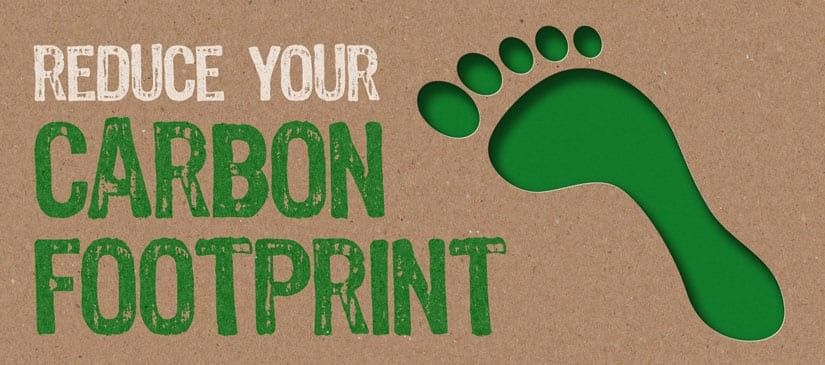
At Crawford Benefits, we believe that small, thoughtful choices can make a big difference for the environment. Every decision we make in our daily lives and in our office has an impact, and by choosing healthier, more sustainable practices, we can help protect our planet for generations to come. With World Environmental Health Day taking place on September 25, it is the perfect time to reflect on how our choices affect the environment and what simple steps we can take to reduce our carbon footprint.

Lowering your carbon footprint may sound like a big task, but it really comes down to making small, consistent changes that add up over time. Many of the things we do in our office are simple, affordable, and easy to replicate at home or in other workplaces. One of the first things we decided to change was our use of paper products. Instead of stocking paper towels, we use cloth towels that can be washed and reused. This not only reduces waste but also saves money in the long run. Switching to reusable cloths eliminates the constant need to buy paper products that are used once and thrown away.

Cleaning is another area where we have made improvements. Many traditional cleaners contain harsh chemicals that are not only bad for the environment but can also affect our health. In our office, we choose simple, non-toxic cleaning products that are just as effective without the harmful side effects. By choosing safer cleaners, we reduce the amount of toxins released into the air and water supply. To further improve the air quality in our space, we use an ozone machine regularly, which helps clean and neutralize airborne contaminants and eliminate odors. We also use air purifiers in our office. Clean air creates a healthier environment for everyone in the office and contributes to a more sustainable workplace overall.

Food storage and packaging are other areas where small changes can have a big impact. Instead of relying on single-use containers, plastic wrap, or disposable baggies, we use Tupperware and reusable storage bags. This change may seem small, but when you think about how often people pack lunches, store leftovers, or organize snacks, the amount of plastic waste adds up quickly. By reusing containers, we cut down on the need for disposable plastics, which are some of the biggest contributors to pollution in oceans and landfills. Reusable products are also sturdier and more reliable, making them a smarter choice for daily life.

The great thing about all of these adjustments is how practical and attainable they are. You do not need to make drastic changes overnight to make a difference. Simply replacing paper towels with cloth, choosing a reusable baggie over a plastic one, or swapping one toxic cleaner for a non-toxic alternative are easy ways to get started. These little steps add up, and when more people make them, the collective impact is enormous.

September 25 is World Environmental Health Day, which serves as a reminder of how closely connected human health and environmental health are. The quality of the air we breathe, the water we drink, and the products we use every day all play a role in our overall well-being. By choosing to live more sustainably, we are not only protecting the planet but also taking care of our own health. Cleaner air, fewer toxins, and less waste all contribute to healthier communities.

It is also important to remember that sustainability is not about perfection. No one can eliminate their carbon footprint entirely, but everyone can take steps to reduce it. Whether it is biking instead of driving for short trips, turning off lights when you leave a room, reducing food waste, or bringing reusable bags to the grocery store, every action makes a difference. The key is to be mindful of your choices and to look for areas where you can swap out a disposable habit for a reusable one.

At Crawford Benefits, we take pride in the steps we have already put in place in our office, but we also know there is always room to improve. Environmental health is an ongoing commitment, and World Environmental Health Day gives us the opportunity to reflect on what we are doing and what more we can achieve. We encourage everyone to look at their daily routines and see where they can make simple, sustainable swaps.

In the end, the goal is not just to reduce our carbon footprint but to create a healthier, more resilient future for everyone. By making small, consistent choices, we protect the environment, safeguard our health, and set an example for others to follow. This September, as World Environmental Health Day approaches, we invite you to join us in making changes that matter. Whether at home, at work, or in your community, each choice adds up to a cleaner, healthier planet. Together, we can turn small actions into lasting change.
April 9, 2026
Spring Reset: Declutter Your Space, Refresh Your Goals, and Build New Routines That Stick Spring has a way of making everything feel possible again. The days get longer, the air feels lighter, and suddenly we’re itching to open windows, clean out closets, and start fresh. But a true spring reset goes deeper than just tidying your home- it’s about clearing mental clutter, realigning your goals, and creating routines that support the version of yourself you’re growing into. If the start of the year felt rushed, overwhelming, or off-track, April is your second chance. Here’s how to approach a spring reset that feels intentional, energizing, and sustainable. Step 1: Declutter Your Space (and Your Head) Physical clutter has a sneaky way of creating mental noise. When your environment feels chaotic, it’s harder to focus, rest, or feel motivated. A spring reset starts with simplifying your surroundings, not by aiming for perfection, but by creating breathing room. Start small and focused. Instead of tackling your entire home in one weekend, choose one category or area: • Your desk or workspace • One closet or drawer • Digital clutter (email inbox, desktop files, unused apps) Set a timer for 20–30 minutes and commit to that window only. Momentum builds naturally once you start. Use the “useful or meaningful” test. As you declutter, ask: • Do I use this regularly? • Does this genuinely add value or joy? • Would I notice if this were gone? If the answer is no across the board, it’s probably time to let it go. Don’t forget digital decluttering. Spring reset isn’t just physical. Clear out: • Old subscriptions • Notifications that pull your attention • Files and photos you no longer need A cleaner digital space can instantly reduce background stress. Step 2: Refresh Your Goals for This Season Spring goals should feel lighter and more flexible than New Year’s resolutions. Instead of focusing on everything you should be doing, focus on what actually matters right now. Review before you reset. Take a moment to reflect: • What goals did you set earlier this year? • What’s working? • What feels forced, outdated, or unrealistic? Letting go of a goal that no longer fits is progress, not failure. Shift from outcome-based to direction-based goals. Instead of: • “Lose 15 pounds” • “Get a promotion” • “Be more productive” Try: • “Move my body in ways I enjoy, 3–4 times a week” • “Build skills that support my next career step” • “Create mornings that feel calm and intentional” Direction-based goals leave room for real life and reduce pressure. Choose 1–3 priorities for the season. Spring is about growth, not overload. Pick a small number of focus areas; health, creativity, finances, relationships. Then define what “better” looks like for each one. Step 3: Build New Routines (That You’ll Actually Keep) Fresh routines are the bridge between intention and action. The key is to make them realistic enough to survive busy days. Anchor new habits to existing ones. Instead of creating routines from scratch, stack them onto habits you already have: • Stretch for 5 minutes after brushing your teeth • Review your day while drinking your morning coffee • Tidy one surface before bed This lowers friction and makes routines easier to remember. Think in seasons, not forever. Your spring routine doesn’t have to work all year. Ask: • What do I need more of this season? • More energy? More movement? More structure? More rest? Design routines that support spring energy; lighter meals, more outdoor time, earlier mornings, or creative resets. Start embarrassingly small. The goal is consistency, not intensity. Five minutes of journaling done consistently beats an hour you never repeat. You can always build later. Step 4: Reset Your Mindset Alongside Your Schedule A spring reset isn’t just about doing more, it’s about doing things differently. Release “all-or-nothing” thinking. Missed a day? Had an off week? That doesn’t cancel your progress. Resetting is something you can do anytime, not just on Mondays or the first of the month. Create space for curiosity. Instead of judging what isn’t working, get curious: • Why does this routine feel heavy? • What part of my day drains me the most? • What would make this feel 10% easier? Small adjustments can lead to big shifts. Celebrate quiet wins. Spring growth is often subtle. Notice: • Increased clarity • Slightly better energy • Less resistance to starting tasks These are signs your reset is working. Step 5: Carry the Reset Forward A spring reset isn’t about achieving a perfect system; it’s about creating alignment. As the season unfolds, check in with yourself: • Does this still feel supportive? • What needs tweaking? • What can I simplify even more? Growth doesn’t have to be loud or dramatic. Sometimes it looks like less clutter, clearer priorities, and routines that make daily life feel a little more easeful. This spring, give yourself permission to reset gently. Clear what no longer serves you, choose goals that feel alive, and build routines that meet you where you are. That’s how real, lasting change begins.
April 6, 2026
Do You Need Medicare If You’re Still Working at 65? Turning 65 is a major milestone, and for many people, it also raises an important question: Do I need to enroll in Medicare if I’m still working? The answer depends on your specific situation, including the size of your employer and the type of coverage you have. Making the wrong decision can lead to late enrollment penalties or gaps in coverage, so it’s important to understand your options. Let’s break it down in simple terms. Understanding Medicare Basics Medicare is a federal health insurance program primarily for people age 65 and older, as well as certain younger individuals with disabilities. Medicare includes: • Part A – Hospital coverage • Part B – Medical coverage (doctor visits, outpatient care) • Part D – Prescription drug coverage • Part C (Medicare Advantage) – An alternative to Original Medicare offered by private insurers Most people qualify for premium-free Part A if they (or their spouse) paid Medicare taxes for at least 10 years. Scenario 1: You Work for a Large Employer (20+ Employees) If you are still working at age 65 and your employer has 20 or more employees, your employer coverage is considered primary. This means your group health plan pays first, and Medicare would pay second if you enrolled. In this situation, you generally have options: Part A Many people enroll in Medicare Part A at 65, even if they are still working, because it’s usually premium-free. Since there’s no monthly cost for most people, enrolling can provide secondary hospital coverage. However, if you contribute to a Health Savings Account (HSA), enrolling in any part of Medicare (even Part A) will affect your ability to continue contributing to your HSA. This is an important detail many people overlook. Part B You can usually delay enrolling in Part B without penalty if you have credible employer coverage from a large employer. When you eventually retire or lose employer coverage, you’ll qualify for a Special Enrollment Period to sign up for Part B. Scenario 2: You Work for a Small Employer (Fewer Than 20 Employees) If your employer has fewer than 20 employees, Medicare generally becomes your primary coverage at age 65. In this case, you typically need to enroll in both Part A and Part B when you first become eligible. If you don’t, your employer plan may not pay for services that Medicare would have covered. This could leave you responsible for significant medical bills. This is where many costly mistakes happen. People assume their employer coverage works the same regardless of company size, but it doesn’t. What Happens If You Delay Medicare Incorrectly? Delaying enrollment without qualifying coverage can result in: 1. Part B Late Enrollment Penalty If you don’t enroll in Part B when required, you may face a penalty that increases your premium by 10% for every 12-month period you were eligible but didn’t enroll. This penalty can last for as long as you have Medicare. 2. Part D Late Enrollment Penalty If you don’t have credible prescription drug coverage and delay enrolling in Part D, you may also face a lifetime penalty. These penalties are avoidable, but only if you understand your coverage situation clearly. What About Spousal Coverage? If you’re covered under your spouse’s employer plan, the same rules apply: • If your spouse works for a company with 20 or more employees, you may be able to delay Part B without penalty. • If the company has fewer than 20 employees, Medicare likely becomes primary at 65. Always verify with the employer’s HR department how coverage coordinates with Medicare. Should You Enroll in Part A While Working? Many people choose to enroll in Part A at 65 because it’s premium-free and can provide secondary hospital coverage. However, if you are contributing to an HSA, you may want to delay Part A enrollment. Once enrolled in Medicare, you can no longer contribute to an HSA. Additionally, Medicare Part A coverage can be retroactive for up to six months when you enroll after 65, which can create unexpected tax complications if you’ve continued HSA contributions. It’s wise to speak with a financial or insurance professional before making this decision. When You Retire After 65 If you delay Part B because you had qualifying employer coverage, you’ll receive a Special Enrollment Period when you retire or lose coverage. This period allows you to enroll in Part B (and Part D, if needed) without penalties. It’s important to act promptly, the enrollment window is limited. Once enrolled, you can then decide whether to stay with Original Medicare or choose a Medicare Advantage or Supplement plan to enhance your coverage. Key Questions to Ask Yourself If you’re turning 65 and still working, consider: • How many employees does my employer have? • Is my employer coverage considered creditable? • Am I contributing to an HSA? • What will my retirement timeline look like? • What are my total premium costs comparing employer coverage vs. Medicare? Answering these questions will help you make an informed decision rather than guessing. The Bottom Line You don’t automatically need to enroll in all parts of Medicare at 65 if you’re still working, but whether you should depends on your employer size, type of coverage, and financial situation. The biggest risks come from assuming your employer coverage works the same in every situation. Understanding when Medicare becomes primary and how to avoid penalties is essential. If you’re approaching 65 and unsure what to do, reviewing your options ahead of time can save you from unnecessary costs and stress. Medicare decisions may feel complicated, but with the right guidance, you can transition confidently and avoid costly mistakes. Keep in mind that the enrollment process for original Medicare can take 60-90 days from the date of submission, so plan accordingly.