Estate Planning
.
Estate planning is one of the most important acts of love and responsibility a person can undertake, yet it is often delayed because the conversations can feel uncomfortable or overwhelming. Many people assume estate planning is only for the wealthy or elderly, but the truth is that every adult should have a plan in place. Life is unpredictable, and when “someday” turns into “too late,” families are often left with confusion, conflict, and costly legal complications during an already emotional time.
At its core, estate planning is about making sure your wishes are known and your loved ones are protected if you become unable to make decisions for yourself or after you pass away. Without a clear plan, important decisions about your finances, healthcare, property, and final wishes may be left to the courts or disputed among family members. Unpreparedness can lead to unanswered questions, family squabbles, expensive probate proceedings, and ultimately, your wishes not being honored.
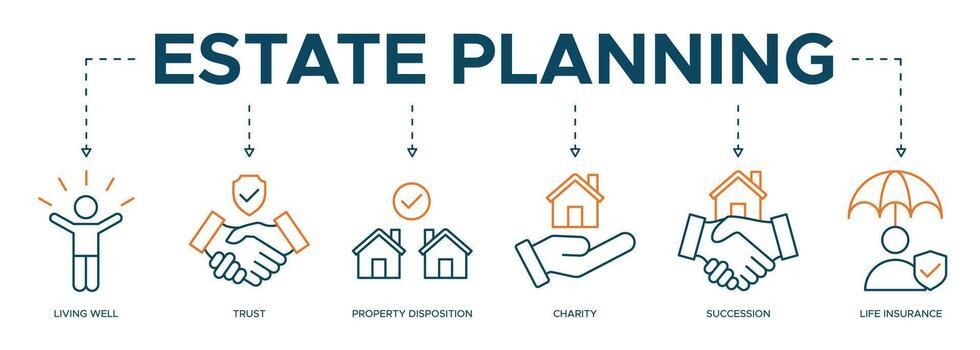
Every estate plan should begin with several foundational documents. A Last Will and Testament outlines how your assets should be distributed and who will handle your affairs. A Durable Power of Attorney allows someone you trust to manage financial matters if you are incapacitated. A Healthcare Power of Attorney or Medical Directive designates who can make healthcare decisions on your behalf and communicates your wishes regarding medical care. Many individuals also benefit from a living trust, which can help avoid probate and simplify the transfer of assets to beneficiaries.
Equally important is ensuring your family knows where these documents are located and understands your intentions. An estate plan that cannot be found or understood may create as many problems as having no plan at all.
One of the biggest challenges in estate planning is starting the conversation. Parents often avoid discussing these matters with their children because they fear appearing pessimistic or burdensome. Adult children may hesitate to approach aging parents because they do not want to seem intrusive or focused on inheritance. However, these conversations are not about money alone; they are about clarity, dignity, and protecting the family from unnecessary hardship.
For parents, a good way to begin the conversation is by focusing on preparation and peace of mind. Explain that you want to make things easier for your family and ensure your wishes are carried out properly. Share where important documents are stored, discuss healthcare preferences, and identify trusted individuals who may need to step into decision-making roles if necessary.
For adult children, the approach should come from a place of care and support rather than control. Ask parents whether they have basic documents in place and offer assistance with organizing information or connecting them with trusted professionals. Questions like, “Do you have someone listed to make medical decisions if needed?” or “Do we know where your important paperwork is?” can open the door to productive discussions without creating defensiveness.
Timeliness matters. Too often, families wait until a medical crisis, cognitive decline, or sudden loss occurs before discussing estate planning. At that point, options may be limited, legal complications may arise, and emotions can cloud decision-making. Planning ahead provides the opportunity to make thoughtful decisions while everyone involved can participate clearly and confidently.
Another critical aspect of estate planning is ensuring there are sufficient assets available to handle estate-related expenses. Funeral costs, outstanding debts, taxes, legal fees, and ongoing obligations do not disappear after death. Life insurance and properly structured financial accounts can help provide the liquidity necessary to manage these responsibilities without placing a financial burden on loved ones.
It is also important to understand how beneficiary designations work. When you name a beneficiary on a retirement account, bank account, or life insurance policy, those funds typically pass directly to the named individual and do not become part of the estate. While this can be beneficial for quickly transferring assets, beneficiaries are generally under no legal obligation to use those funds to pay estate expenses. This can create unexpected challenges if all available assets transfer directly to individuals while the estate itself lacks the resources needed to settle debts and obligations.
For this reason, many financial and legal professionals recommend leaving some assets payable to the estate or maintaining adequate resources within the estate to cover expenses during the settlement process. Proper coordination between wills, trusts, beneficiary designations, and insurance policies is essential to ensuring your overall plan functions as intended.
Estate planning is not simply about preparing for death. It is about protecting the people you love, preserving your wishes, and creating order during life’s most difficult moments. Taking action now can spare your family confusion, conflict, and unnecessary stress in the future. The greatest gift you can leave behind is not just financial security, but clarity, preparedness, and peace of mind for those who matter most.