


Vision Health 101: Why Routine Eye Exams Are Essential
.
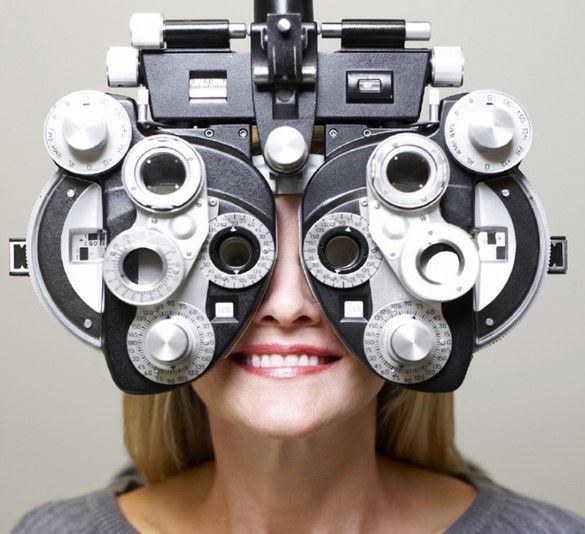
Vision care often falls to the bottom of the priority list, especially for individuals without noticeable changes in their eyesight. However, routine eye exams are a key part of preventive healthcare—and their benefits extend well beyond correcting vision. Regular visits to an optometrist or ophthalmologist can help detect broader health issues, protect against vision loss, and contribute to your overall well-being.
What Happens During a Comprehensive Eye Exam?
A routine eye exam is more than just reading an eye chart. It typically includes:
- Visual acuity testing (how well you see at various distances)
- Eye muscle and alignment tests
- A refraction assessment to determine prescription needs
- Examination of the retina and optic nerve (often using dilation)
- Screening for eye conditions such as glaucoma, macular degeneration, or cataracts
Depending on your health history, your provider may also check for signs of systemic conditions like diabetes or high blood pressure.
Why Eye Exams Matter—Even with Good Vision
Many eye diseases develop slowly and without symptoms. By the time vision changes occur, damage may already be significant. A comprehensive eye exam can reveal early warning signs of:
- Diabetic retinopathy
- Hypertension
- Glaucoma
- High cholesterol
- Neurological concerns such as increased intracranial pressure or stroke risk
In some cases, an eye exam may be the first indication of an undiagnosed medical issue.
How Often Should You Have an Exam?
The American Optometric Association offers the following general guidance:
- Adults aged 18–60: Every one to two years
- Adults aged 61 and older: Annually
- Children: First eye exam at 6–12 months, then periodically as recommended
- Individuals with health risks (e.g., diabetes, a family history of eye disease): More frequent exams may be required
Vision Insurance vs. Medical Insurance
It’s important to understand that vision insurance typically covers routine eye exams and benefits for lenses, frames, or contacts. Medical insurance, on the other hand, may cover eye care only when related to a medical condition or emergency.
Protecting Your Eye Health
Whether you need corrective lenses or not, annual eye exams help safeguard your vision and overall health. Consider scheduling a routine exam this year—and encourage others in your family to do the same.

Medicare Annual Enrollment Is Right Around the Corner. Medicare Annual Enrollment begins October 15 and runs through December 7 . This is the time for Medicare beneficiaries to review their current Medicare Advantage and prescription drug coverage for 2027. Plans can change from year to year, including premiums, prescription coverage, provider networks, copays, and other benefits. Don’t wait until the last minute. Crawford Benefits will be preparing for AEP throughout September—start gathering your updated medication, doctor, pharmacy, and coverage information.